Mold Remediation
Assessment and remediation for mold-affected areas in homes and businesses, including containment and removal based on the materials and conditions involved.
Serving Wilmington, North Carolina & surrounding areas
24/7 Emergency Response
Wilmington Water Damage Services
Get a clear plan for removing standing water, drying wet materials, and addressing damage before it spreads through your property.
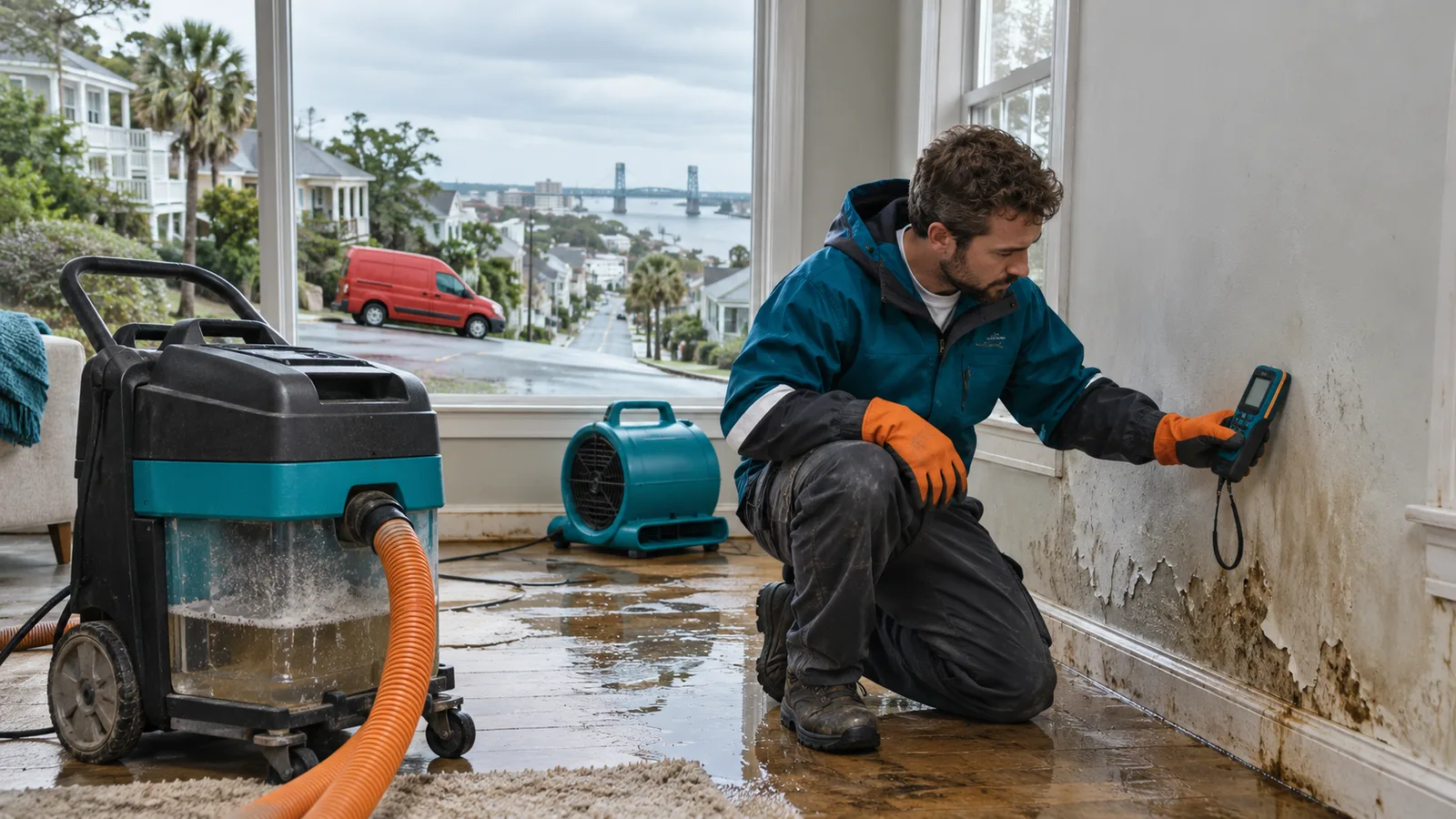
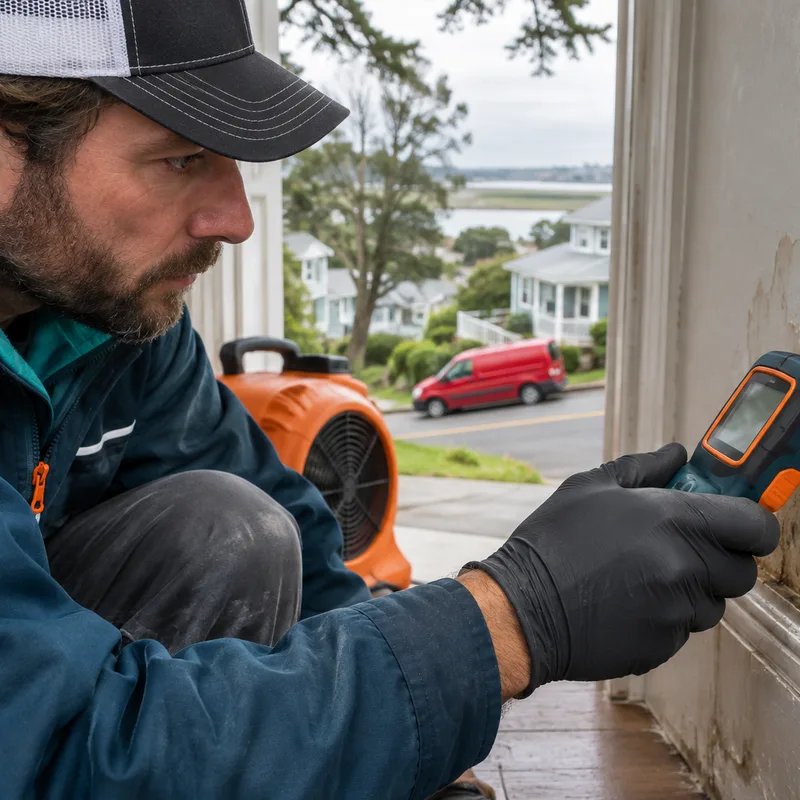
Moisture inspection and extraction setup in a Wilmington home.
Local Water Damage Support
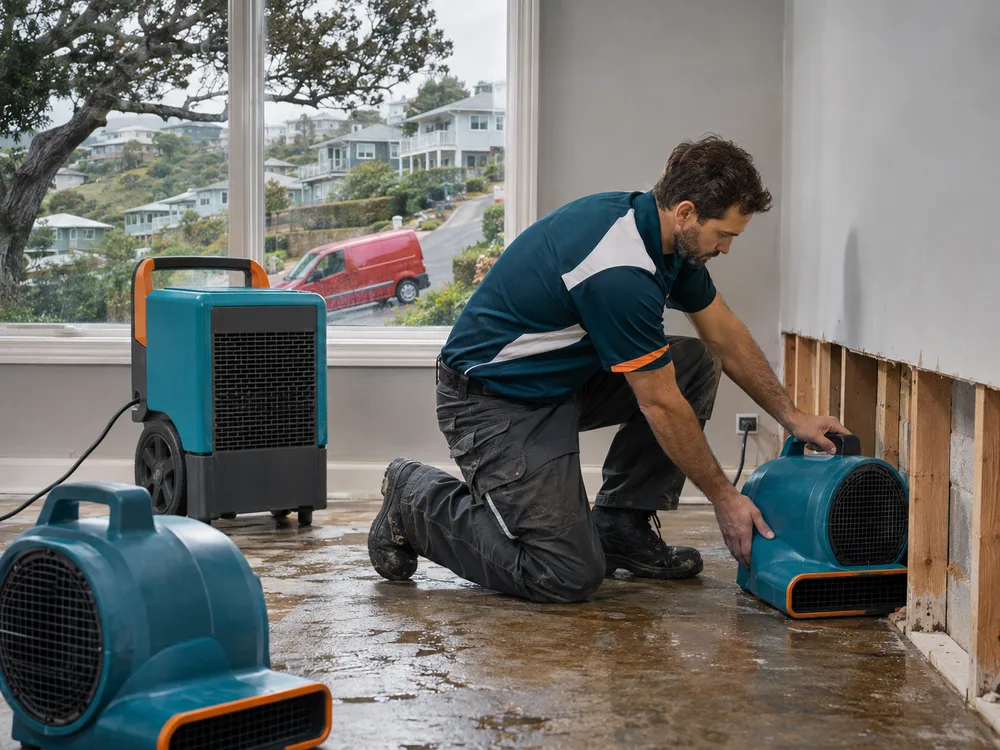
Water damage Wilmington NC services address the immediate source, affected materials, hidden moisture, and the repairs needed to make the property usable again. Roof leaks, supply-line breaks, overflowing fixtures, appliance failures, and storm-driven rain can move beyond the visible wet area. Water may reach wall cavities, insulation, subflooring, cabinets, and adjacent rooms.
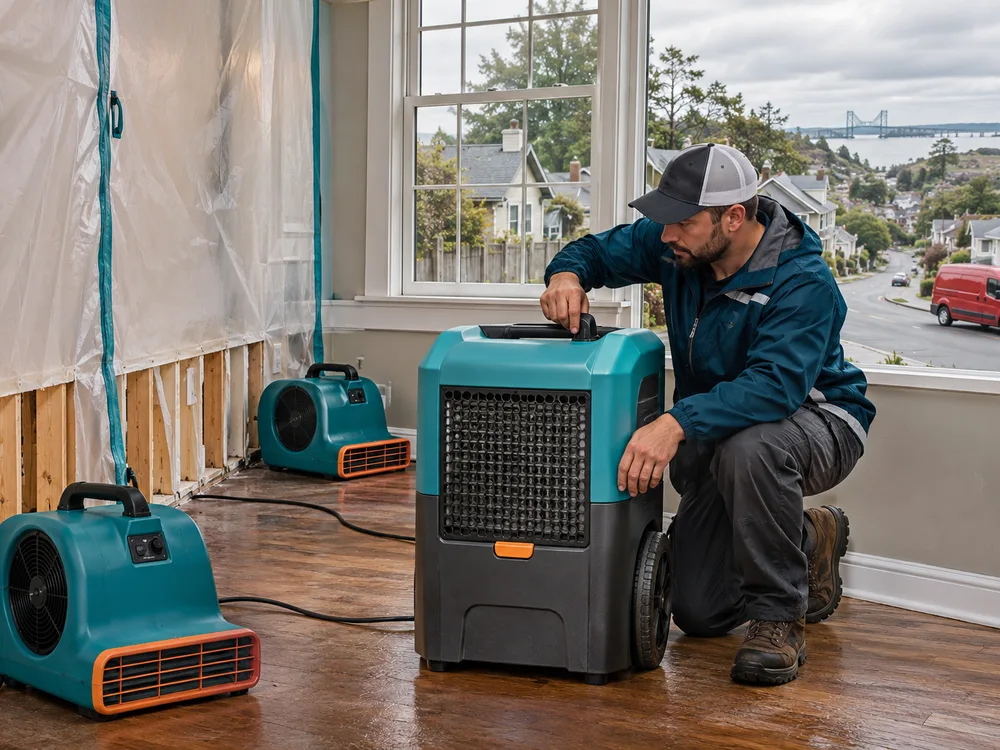
A sound response starts by identifying where the water traveled. Standing water is extracted, affected contents are moved when necessary, and moisture readings guide the drying plan. Air movers and dehumidifiers support evaporation and moisture removal, while repeated readings show whether concealed materials are returning to an acceptable condition.
Wilmington's humid coastal climate can slow natural drying. Leaving wet materials to air out without measurement may allow moisture to remain behind baseboards, drywall, or flooring. Early assessment helps limit secondary damage and clarifies which materials can be dried and which require removal.
Property Recovery Services
Assessment and remediation for mold-affected areas in homes and businesses, including containment and removal based on the materials and conditions involved.
A coordinated response covering water extraction, structural drying, removal of unsalvageable materials, and preparation for the work needed to restore the affected space.
Repair work for damaged drywall, flooring, trim, cabinets, and other building materials after the moisture source has been corrected and drying is complete.
Assessment and Drying Standards
The first priority is finding and stopping the source when possible. The assessment also considers water migration, affected materials, and safety concerns before extraction, drying, or removal work begins.
Moisture meters help identify damp drywall, framing, flooring, and other materials that may look dry at the surface. Readings provide a factual basis for equipment placement and drying progress.
Clean water, contaminated water, exposure time, and material porosity affect what can remain. Decisions about drying or removal should reflect actual conditions rather than a single approach for every property.
A useful scope separates immediate mitigation from later repairs. Property owners can see which areas are affected, what work is recommended, and what information may be needed for documentation.
Water Damage Wilmington NC provides water damage services for properties in the Wilmington area.
Local Field Presence
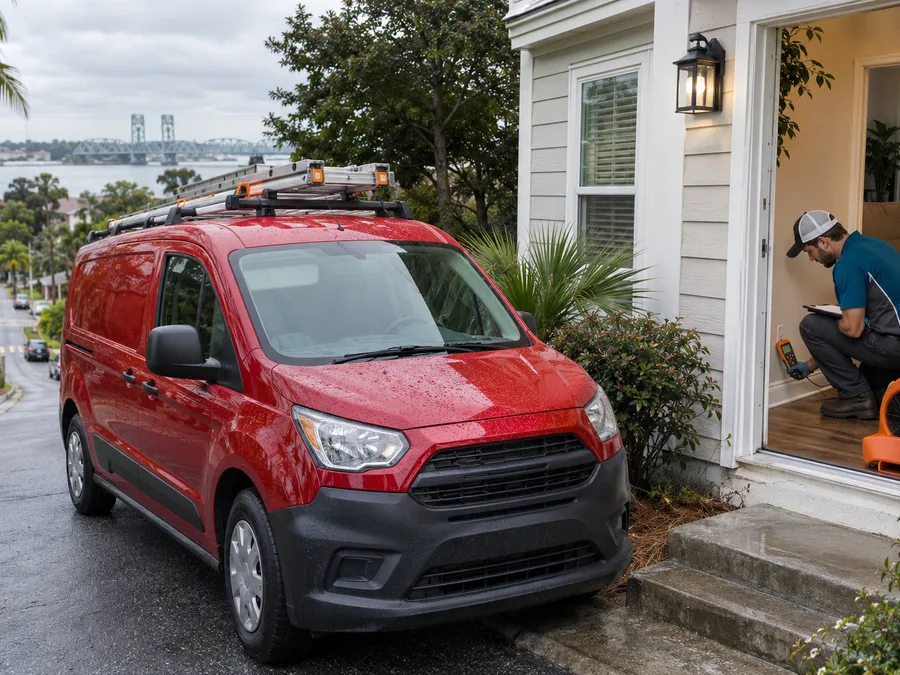
The work centers on understanding the extent of the loss before recommending cleanup, drying, removal, or repair. That includes looking beyond visible puddles and stains for moisture that may have reached wall cavities, subfloors, cabinets, or insulation.
Wilmington properties face heavy rain, tropical weather, and persistent coastal humidity. Those conditions can complicate drying after a roof opening, plumbing failure, or exterior water intrusion. A careful assessment gives owners a more useful plan and helps avoid covering damp materials before the structure is ready.
Request Emergency ServiceCleanup Cost Factors
Water damage cleanup in Wilmington typically costs about $1,200 to $5,000 for a limited residential loss. Small clean-water extraction and drying jobs may run $500 to $1,500, while widespread damage, contaminated water, or demolition and repairs can exceed $7,500.
Final pricing depends on the affected area, water category, materials, access, equipment time, and whether drywall, flooring, or cabinets require removal. Storm conditions and concealed moisture can also expand the scope. The exact cost is confirmed after an on-site inspection and moisture assessment.
Water Damage Response Process
The affected rooms and nearby materials are checked for visible damage and concealed moisture. The water source, water category, and immediate safety concerns shape the response.
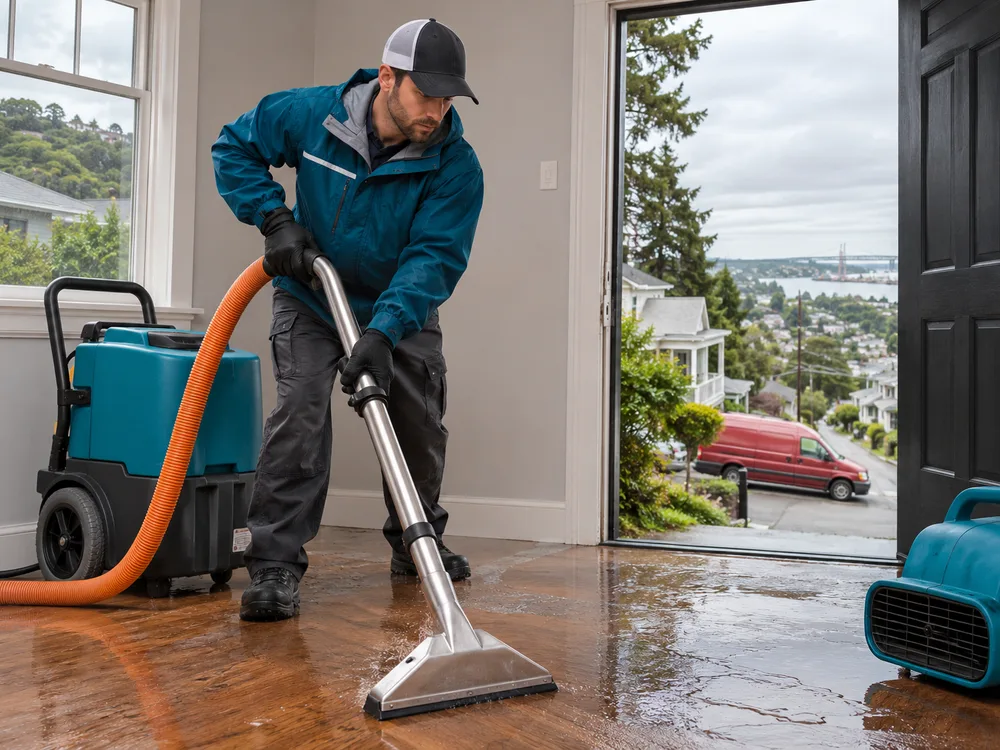
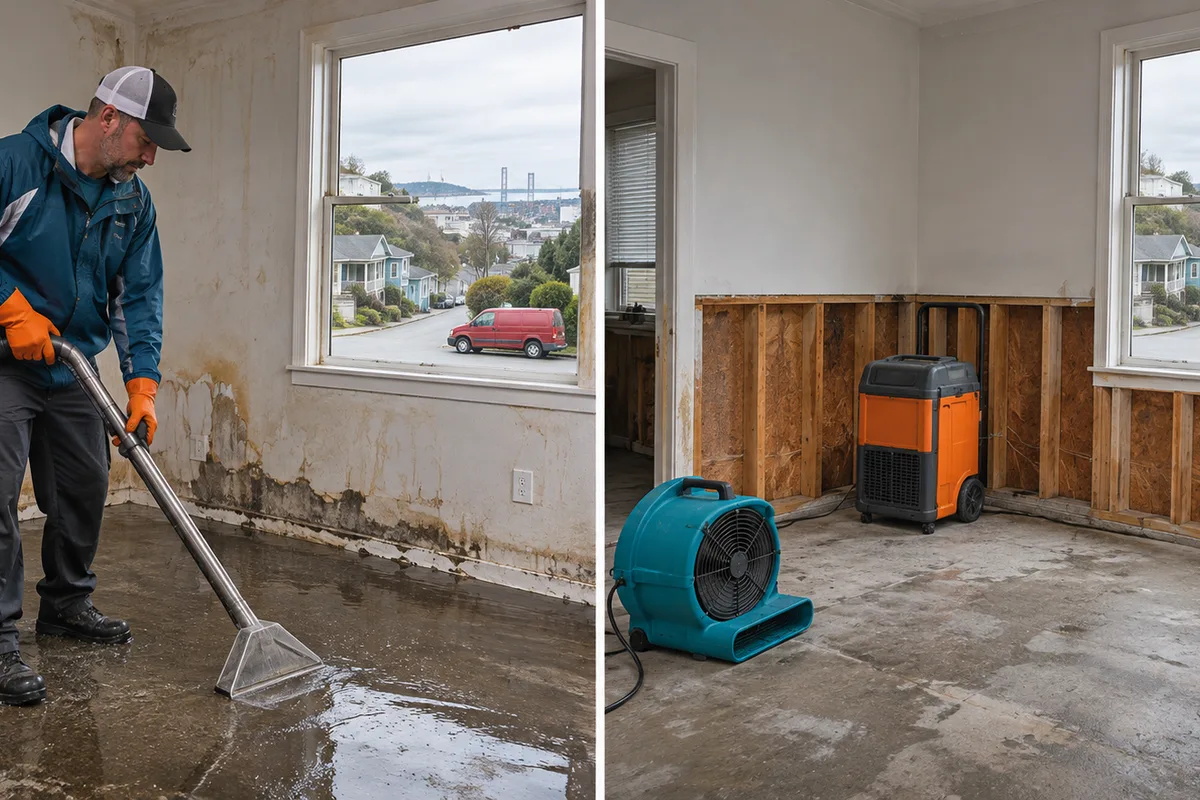
Standing water is removed, and belongings may be relocated or protected where practical. Unsalvageable materials are identified so trapped moisture does not hinder drying.
Air movers and dehumidifiers are positioned according to the affected materials and layout. Moisture readings are taken during drying to track conditions below the surface.
Once drying goals are reached, remaining cleaning and repair needs can be defined. The scope may include drywall, trim, flooring, cabinets, paint, or other damaged finishes.
Prompt action can reduce how far moisture travels and provide a clearer record of the damage before cleanup changes the site conditions.
Call for Emergency HelpServing Wilmington
Water Damage Wilmington NC serves established neighborhoods and growing residential areas across Wilmington, including properties exposed to plumbing leaks, roof intrusion, and coastal weather.
Older homes and converted buildings may contain layered flooring, plaster, and enclosed cavities that require careful moisture tracing after plumbing or roof leaks.
Early twentieth-century homes can have original wood floors, crawl spaces, and older plumbing, making prompt inspection important when water reaches concealed materials.
Established single-family homes commonly include attached garages, slab or crawl-space construction, and mature trees that can contribute to roof and drainage concerns.
Larger homes with complex rooflines and extensive finished areas may require broader moisture mapping when wind-driven rain or plumbing failures affect multiple materials.
Residential growth includes homes of different ages and construction types, so drying plans must account for the specific flooring, wall assemblies, and moisture path present.
Dense residential development near major drainage routes can face heavy-rain intrusion, while supply lines, appliances, and fixtures remain common indoor sources of damage.
Field Work
Common Questions
Request an assessment as soon as the immediate area is safe. Water can migrate under flooring and into walls before visible damage expands, and Wilmington's high humidity may slow drying without dehumidification.
Stop the source only if you can do so safely, avoid rooms with electrical hazards or sagging ceilings, and take photos without entering unsafe areas. Do not use a household vacuum to remove water.
Some wet materials can be dried, while others need removal. The decision depends on contamination, exposure time, material type, swelling, delamination, and moisture readings inside or beneath the assembly.
Yes. The available services include help for residential and commercial properties, with the response shaped by occupancy, affected materials, access, and the extent of water migration.
Ask for documentation during the initial assessment. Useful records may include photographs, moisture readings, affected-area notes, equipment logs, and a written scope, while claim coverage remains the insurer's decision.
Service is focused on Wilmington and includes well-known areas such as Historic Downtown, Carolina Heights, Pine Valley, Landfall, Ogden, and Monkey Junction.
Provide the property location, suspected source, affected rooms, and when the damage was discovered. Photos and a brief description can help prepare for the visit, but an on-site moisture assessment is needed to define the scope.
Describe what happened and where the damage is visible. The next step is an assessment of the source, moisture spread, drying needs, and likely repairs.